


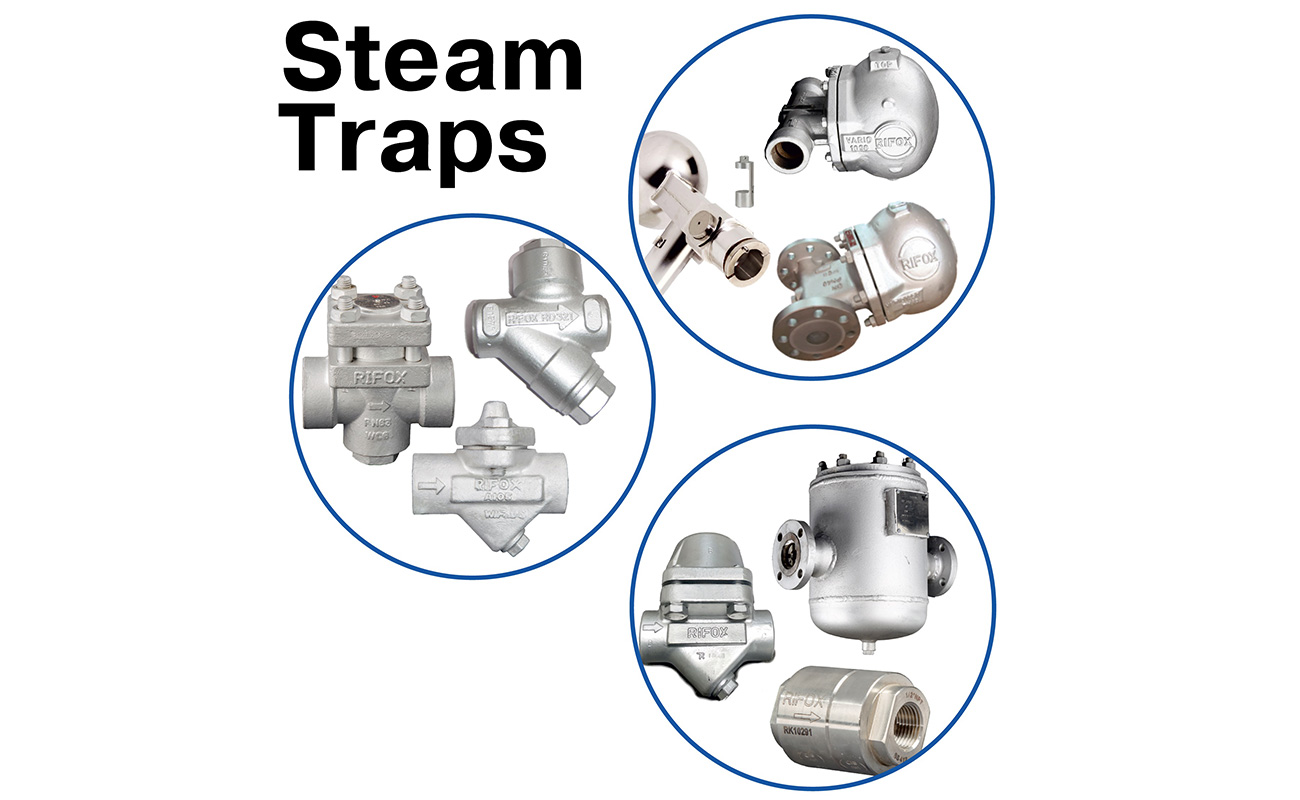
Steam Traps
Maximises steam system efficiency and minimises energy losses through effective condensate management
Submit your enquirySteam traps are crucial mechanical devices designed to automatically discharge condensate (condensed steam) and non-condensable gases from a steam system while retaining live steam.
Their proper functioning is vital for maintaining steam system efficiency, preventing water hammer, ensuring optimal heat transfer, and significantly reducing energy waste. By continuously removing condensate, steam traps safeguard equipment, improve process heating, and extend the lifespan of the entire steam distribution network.Steam, a highly efficient medium for heat transfer, generates condensate as it gives up its latent heat. If this condensate is not promptly removed, it can lead to various operational issues, including reduced heat transfer efficiency, water hammer (which can damage piping and equipment), and increased energy consumption. Steam traps are specifically engineered to address this challenge by creating a barrier that allows only condensate and non-condensable gases to pass, effectively "trapping" the valuable live steam. Thermax offers a comprehensive range of steam traps, each employing different operating principles (e.g., thermodynamic, thermostatic, mechanical) to suit diverse industrial applications and steam conditions. Selecting the correct type and size of steam trap is paramount for optimal system performance and energy savings.
Key Industries/Applications:
- Industries: Power generation, food & beverage, textile, chemical, pharmaceutical, paper, oil & gas, tyre, steel, and many other process industries utilising steam
- Applications: Draining condensate from steam mains, trace heating lines, process equipment (e.g., heat exchangers, reboilers, evaporators, drying cylinders), turbine drains, and where steam is used for heating or power
Technical data
- Product capacity / performance range: Designed to handle various condensate loads and pressure differentials, their specific capacity depends on the trap type, orifice size, and operating conditions
- Compliance or standards: Manufactured to international standards for pressure equipment and performance, ensuring reliability and safety
- Design, flexibility or customisation:
- Available in various materials (e.g., cast iron, forged steel, stainless steel) to suit different pressure/temperature ratings and fluid compatibility
- Different connection types (flanged, screwed, welded) and sizes
- Broad range of trap types (thermodynamic, thermostatic, mechanical - float, inverted bucket, bi-metallic) to match specific application needs and steam system characteristics
- Optional features include strainers, blowdown valves, and insulation jackets
Product features





Products
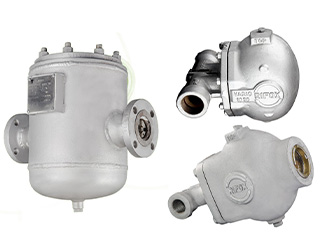
Float-Controlled Steam Trap
Continuously discharges condensate with high efficiency, especially under fluctuating loads
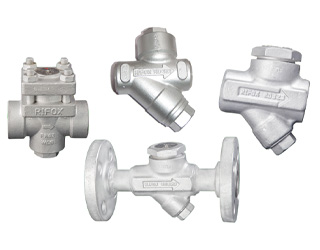
Thermodynamic Steam Trap
Robust and versatile steam traps for efficient condensate removal in high-pressure applications
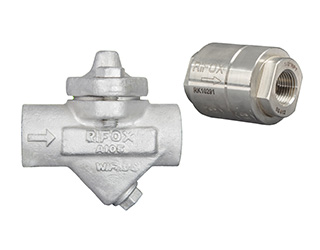
Thermostatic Steam Trap
Efficiently discharges condensate and air with temperature-sensitive automation for precise control
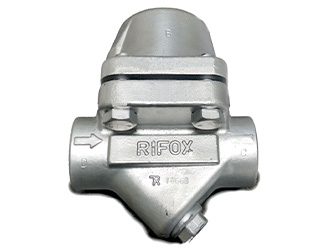
Bi-Metallic Steam Trap
Robust and versatile steam traps offering resistance to water hammer and superheat