


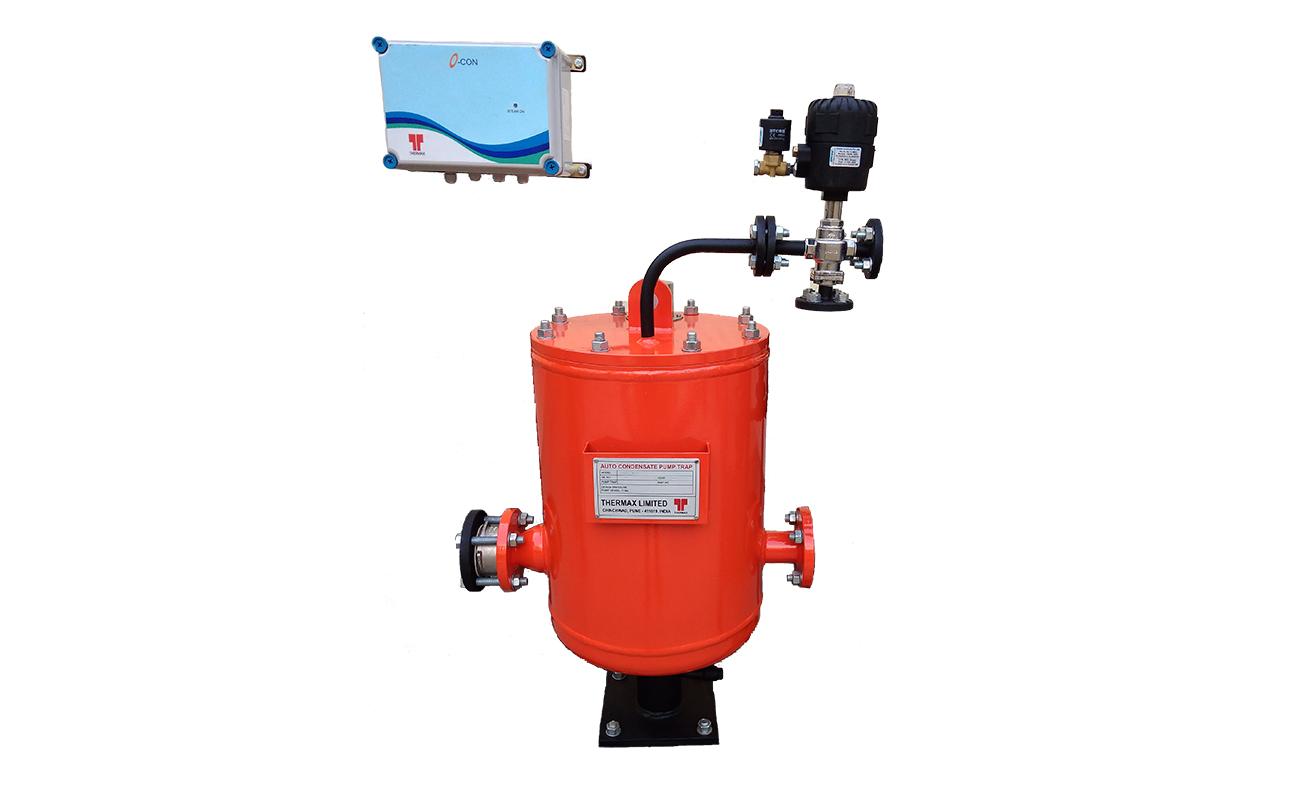
Pumping Trap Condensate Recovery System (PTCRS)
Efficiently returns hot condensate from challenging locations without using electricity
Submit your enquiryA Pumping Trap is a versatile, non-electric mechanical pump that utilises the energy of motive steam or compressed air to efficiently return hot condensate from low points, vacuum conditions, or areas with insufficient pressure back to the boiler feed tank or directly to the boiler.
It eliminates issues like cavitation, common with electric pumps, maintains condensate temperature, and provides a reliable, energy-efficient solution for challenging condensate recovery applications. In many industrial processes, condensate needs to be collected from below the condensate return line, under vacuum, or where discharge pressure is too low for a conventional steam trap to overcome. Pumping Traps are specifically designed for these scenarios. They combine the functions of a steam trap and a pump into a single unit. As condensate collects in the trap's body, a float mechanism triggers the admission of motive steam or compressed air, which then pressurises the chamber and pushes the condensate out. Once emptied, the motive fluid is vented, and the cycle repeats. This allows for continuous condensate recovery even from very demanding installations, maximising energy savings by returning hot condensate.
Key Industries / Applications:
- Industries: Food and beverage, chemical, pharmaceutical, textile, paper, power, and any industry with extensive steam networks or challenging condensate return points
- Applications:
- Draining condensate from process equipment operating under vacuum (e.g., paper machine dryers)
- Returning condensate from low-level heat exchangers or collection pits
- Pumping condensate to elevated return lines or directly into a boiler
- Applications where electricity is unavailable, hazardous, or costly
- Handling large volumes of condensate from multiple traps
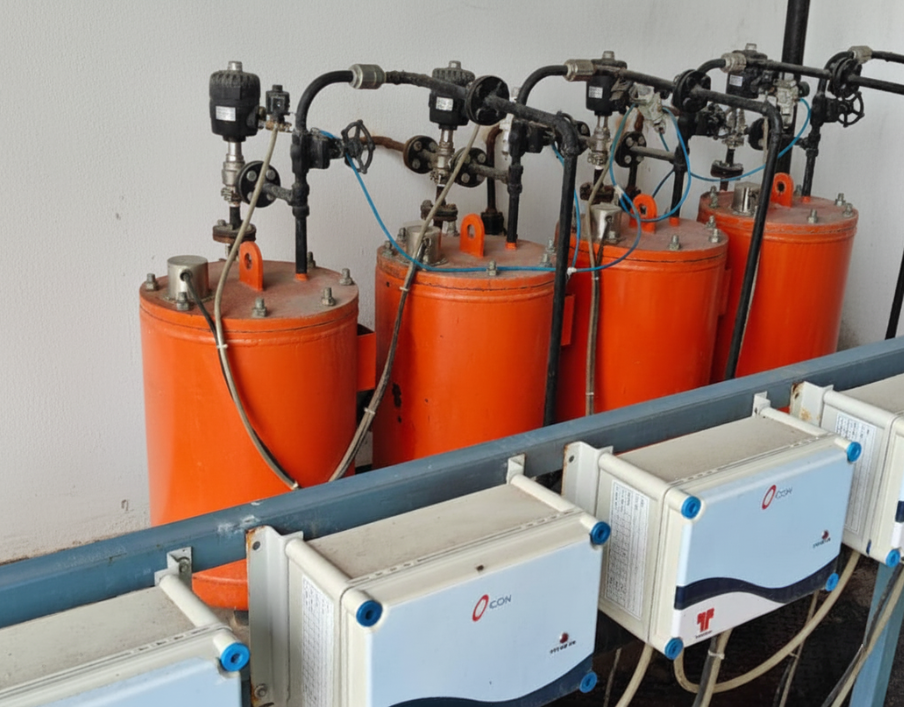
Technical data
- Product capacity / performance range: Available in various sizes and pumping capacities. Can handle condensate at very high temperatures, close to saturation.
- Fuel type or energy sources: Operated by live steam, compressed air, or an inert gas as the motive fluid. No electricity required.
- Compliance or standards: Designed and manufactured to relevant international standards for pressure equipment and pumping devices, ensuring safety and robust performance
- Design or customisation:
- Operating principle: Float-operated, mechanical pump using motive fluid pressure
- Body materials: Typically cast iron, carbon steel, or stainless steel for durability and compatibility with hot condensate
- Connections: Screwed, flanged, or welded connections for condensate inlet/outlet and motive fluid inlet/vent
- Integrated components: Often includes integral non-return valves and a vent mechanism
- Models: Available for high-pressure discharge, suitable for direct boiler return
Product features